

Metaverse Business Opportunities in 2026 (Beyond Gaming)
Imagine stepping into a virtual world where the boundaries of reality blur, and endless possibilities unfold. This is the promise of the metaverse, a space where augmented reality, virtual reality, and blockchain technologies converge to create immersive experiences. By 2026, this digital frontier is expected to reach a tipping point, transforming how we live, work, and connect.
The market for these innovations is projected to grow exponentially, with estimates suggesting a value of $507.8 billion by 2030. Companies like Apple and Meta are already leading the charge, introducing groundbreaking tools such as Vision Pro and Horizon Worlds. These advancements are not just about gaming; they’re reshaping industries like healthcare, remote work, and virtual commerce.

For you, this means new ways to overcome physical limitations and explore untapped potential. Whether it’s creating digital twins of real world assets or building entirely new ecosystems, the opportunities are vast. The metaverse is no longer a distant dream, it’s a reality waiting to be embraced.
Table of Contents
Introduction to the Metaverse and Its Potential
The digital landscape is evolving faster than ever, opening doors to new possibilities. At the heart of this transformation is the metaverse, a blend of virtual and augmented reality powered by advanced technologies. It’s a space where you can interact, create, and explore like never before.
What is the Metaverse?
The metaverse is a collective virtual space where users can engage in real-time interactions. It combines elements of gaming, social media, and virtual commerce to create immersive experiences. Think of it as a digital universe where the physical and virtual worlds merge seamlessly.
Why 2026 is a Pivotal Year
2026 is shaping up to be a turning point for the metaverse. With 5G and 6G infrastructure enabling low latency interactions, the market is poised for rapid growth. Enterprise adoption is also on the rise, with companies like Honeywell using virtual simulations for training.
COVID-19 accelerated remote work trends, and these changes are here to stay. Gen Z’s preference for digital native experiences is driving demand, while VR headset prices are dropping below $300, making them more accessible. Regulatory clarity around NFTs and virtual economies is also emerging, paving the way for new opportunities.
From fitness to remote work, the metaverse is transforming industries. For example, 52% of U.S. adults now exercise at home, and the VR fitness market is projected to hit $56.1 billion by 2030. This is just the beginning of what’s possible in this dynamic space.
Virtual Commerce and Retail in the Metaverse
Shopping has entered a new era more engaging and interactive than ever before. Virtual commerce is transforming how you browse, try, and buy products. With advanced technologies, retailers are creating digital storefronts that feel as real as walking into a physical shop.
Creating Virtual Storefronts
Virtual storefronts are the new way to shop. These digital spaces allow you to explore products in 3D, just like you would in a real store. Companies like ByondXR are leading the way, with virtual try on technology that boosts conversion rates by 40%.
These storefronts are designed to be interactive. You can rotate products, zoom in for details, and even see how items look in different colors or styles. It feels like having your own dedicated shopping helper available anytime you need it.
Personalized Shopping Experiences
Personalization is key in virtual commerce. AI stylists use body scan data to recommend outfits that fit your style and size. You can also shop with friends using avatars, making it a social experience.
NFT loyalty programs, like Starbucks Odyssey, reward you for your purchases. Dynamic pricing adjusts based on your avatar’s interactions, and emotion recognition technology offers real-time promotions tailored to your mood.
| Feature | Benefit |
|---|---|
| Virtual Try-On | Increases conversion by 40% |
| AI Stylists | Personalized recommendations |
| Social Shopping | Shop with friends using avatars |
| NFT Loyalty Programs | Rewards for purchases |
| Emotion Recognition | Real-time promotions |
Remote Working in the Metaverse
The way we work is changing, and virtual environments are leading the charge. These spaces are transforming how teams collaborate, innovate, and stay connected. With advanced tools, you can now work from anywhere while feeling like you’re in the same room as your colleagues.
Virtual Workplaces for Enhanced Collaboration
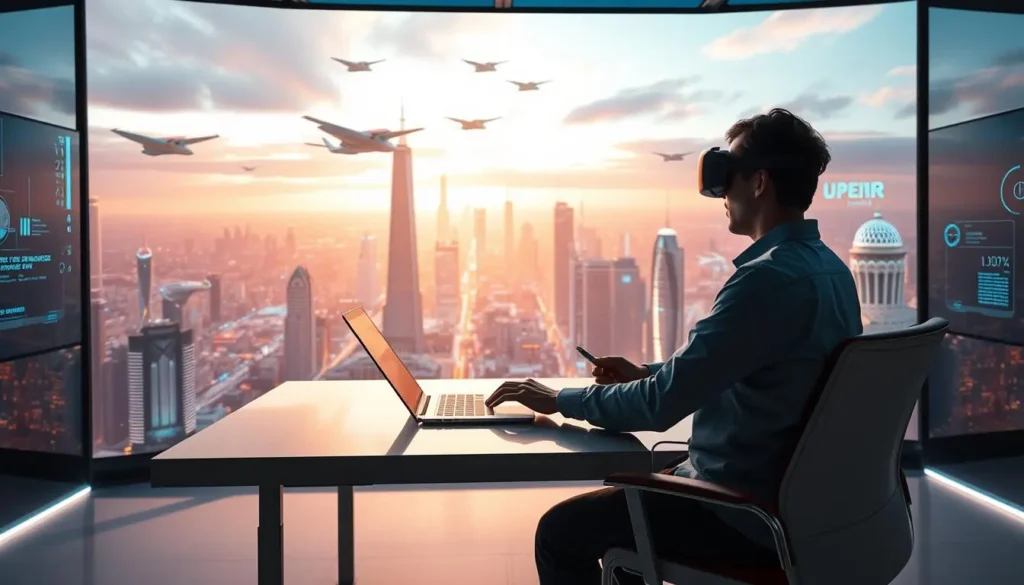
Virtual workplaces are redefining teamwork. Platforms like Horizon Workrooms allow you to join meetings, brainstorm ideas, and share files in a 3D space. These environments make remote work feel more interactive and engaging.
For example, PixelPlex’s virtual tours for the mining industries increased investor engagement by 70%. This shows how immersive tools can enhance communication and decision making.
Industries Benefiting from Remote Work Solutions
Many sectors are leveraging virtual environments to improve efficiency and safety. Here’s how:
- Architecture: Firms use VR walkthroughs to showcase designs to clients.
- Healthcare: Medical device companies train surgeons using virtual simulations.
- Automotive: Design reviews are conducted in mixed reality for better precision.
- Energy: Safety simulations prepare workers for high risk scenarios.
- Film Production: Virtual scouting saves time and resources for location planning.
These examples highlight how virtual training and services are shaping the future of work. Whether you’re in healthcare or energy, these tools offer endless possibilities.
Virtual Real Estate: A New Frontier
The concept of virtual real estate is reshaping how we think about property ownership. In digital spaces, you can buy, sell, and monetize virtual land just like in the physical world. This emerging market is attracting attention from investors and creators alike.
Platforms like Upland have seen incredible growth, with revenue increasing by 300% year over year through property trading fees. This shows the potential of virtual real estate as a viable business model. Whether you’re a developer or an investor, there’s plenty of room to explore.
Buying and Selling Virtual Spaces
Purchasing virtual land is straightforward. You can acquire plots in popular digital neighborhoods or invest in undeveloped areas with high growth potential. These spaces are often traded using blockchain technology, ensuring transparency and security.
Selling virtual property can be just as profitable. High-traffic zones, like those near popular events or landmarks, often fetch premium prices. It’s an ever changing marketplace where place and innovation drive success.
Monetizing Virtual Real Estate
There are many ways to make money from virtual property. Here are some popular strategies:
- Event Hosting: Rent out your space for concerts, conferences, or meetups and earn a share of the revenue.
- Billboard Leasing: Advertisers pay to display ads in high-traffic areas.
- VIP Access: Create exclusive areas and charge subscriptions for entry.
- NFT Gallery Rentals: Artists pay to showcase their digital art in your space.
- Visitor Analytics: Monetize data insights from users who interact with your property.
These methods show how virtual real estate can be a lucrative investment. With creativity and strategy, you can turn digital land into a thriving asset.
Virtual Events and Activities
Virtual events are redefining how we connect and engage in digital spaces. From conferences to product launches, these gatherings offer unique experiences that go beyond traditional formats. With advanced tools, you can create immersive environments that captivate attendees and leave a lasting impression.
Hosting Conferences and Product Launches
Hosting events in virtual spaces opens up new possibilities. Platforms like Virtway have achieved an 85% attendee retention rate by offering interactive and engaging features. You can customize photorealistic avatars, making each participant feel uniquely represented.
Interactive product demos using haptic feedback allow attendees to “feel” the product. Gamified scavenger hunts add an element of fun, while real-time language translation ensures inclusivity. After parties with VR performances create memorable closing moments.
Immersive Experiences for Attendees
Virtual events are designed to be immersive and interactive. Here’s how they enhance attendee engagement:
- Photorealistic Avatars: Customize your appearance to reflect your personality.
- Interactive Demos: Use haptics to explore products in detail.
- Gamified Activities: Participate in scavenger hunts for added excitement.
- Real-Time Translation: Break language barriers with instant translation.
- VR Performances: Enjoy after parties with virtual concerts or shows.
| Feature | Benefit |
|---|---|
| Photorealistic Avatars | Enhances personal connection |
| Interactive Demos | Provides hands-on product experience |
| Gamified Activities | Boosts engagement and fun |
| Real-Time Translation | Ensures inclusivity |
| VR Performances | Creates memorable closing moments |
These features make virtual events a powerful tool for creating meaningful experiences. Whether you’re hosting a conference or launching a product, the possibilities are endless.
Virtual Training and Education
Learning is evolving with technology, offering new ways to grow. Virtual environments are transforming how skills are developed, making education more interactive and engaging. Whether you’re training for a job or exploring new interests, these tools provide a unique experience that goes beyond traditional methods.
Simulated Environments for Skill Development
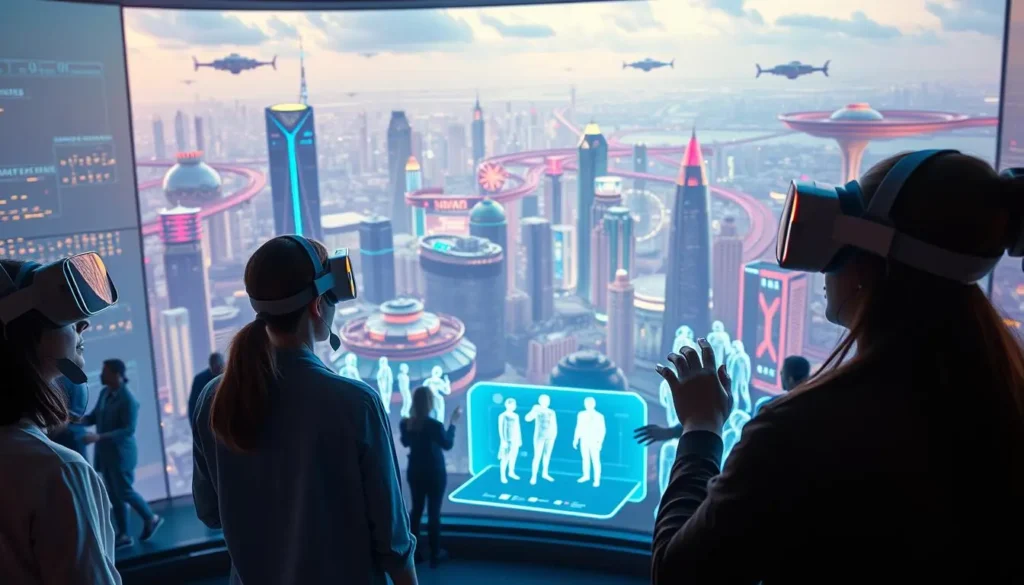
Simulated environments allow you to practice real-world scenarios in a safe, controlled space. For example, Bodyswaps improved DEI training completion by 60% using immersive simulations. These tools are especially effective for industries like healthcare, where hands on practice is crucial.
From sales training to cybersecurity, virtual simulations are reshaping how users learn. Leaderboards and XP systems add a competitive edge, while team based challenges encourage collaboration. Historical role playing scenarios bring lessons to life, making learning more memorable.
Gamified Learning Experiences
Gamification turns education into an engaging adventure. Here’s how it works:
- Leaderboards: Track progress and compete with peers in sales training.
- XP Systems: Unlock new content as you gain experience points.
- Team Challenges: Solve cybersecurity problems together for rewards.
- Historical Scenarios: Step into the past to learn through role playing.
- Badge-Based Paths: Earn certifications by completing specific tasks.
These methods make learning fun and effective, ensuring you stay motivated throughout the process. Whether you’re mastering a new skill or earning a certification, gamified learning offers a fresh way to achieve your goals.
Virtual Tourism and Exploration
Step into digital destinations and discover new ways to explore the globe. Virtual tourism is transforming how you experience travel, offering immersive experiences that feel real. From iconic landmarks to hidden gems, these digital spaces let you visit places you’ve always dreamed of, all from the comfort of your home.
Atlantis Dubai’s virtual resort is a prime example, selling over 10,000 NFT access passes. This shows how users are embracing virtual tourism as a new way to connect with the world. Whether you’re exploring ancient ruins or relaxing on a tropical beach, the possibilities are endless.
Creating Virtual Travel Destinations
Virtual travel destinations are designed to be as engaging as the real thing. These spaces use advanced technology to recreate famous landmarks and natural wonders. You can walk through the streets of Paris, hike the Grand Canyon, or dive into the Great Barrier Reef all in stunning detail.
Here’s how these destinations are built to captivate users:
- Photorealistic Environments: High-quality visuals make every scene feel lifelike.
- Interactive Features: Clickable hotspots provide historical facts and fun trivia.
- Guided Tours: Virtual guides lead you through each location, sharing insights along the way.
- Customizable Avatars: Personalize your character to reflect your style.
- Multiplayer Options: Explore with friends or meet new people in shared spaces.
Monetizing Virtual Tourism
Virtual tourism isn’t just about exploration, it’s also a viable business model. Companies are finding creative ways to generate revenue while enhancing services for users. Here are some popular strategies:
- Tiered Membership Programs: Offer exclusive perks for premium members.
- Guided Tour NFT Tickets: Sell unique passes for special virtual experiences.
- Branded Virtual Souvenirs: Allow users to purchase digital keepsakes.
- Hotel Loyalty Program Integration: Partner with hotels to reward virtual travelers.
- Photography Rights Licensing: Monetize user-generated content from virtual tours.
These methods show how virtual tourism is not only reshaping travel but also creating new opportunities for growth and innovation.
Virtual Social Platforms
Connecting with others has never been more immersive. Virtual social platforms are reshaping how we interact, collaborate, and build relationships. These digital spaces offer unique ways to engage with people across the globe, breaking down physical barriers and fostering meaningful connections.
Building Communities in Digital Spaces
Virtual platforms are designed to bring people together. Whether it’s through shared interests or professional goals, these spaces allow you to create and nurture communities. For example, Siemens’ Industrial Metaverse connects over 1 million professionals, enabling collaboration on a global scale.
These platforms aren’t just about socializing, they’re about creating value. From brainstorming ideas to solving complex problems, virtual communities are driving innovation across various fields.
Niche Networks for Specific Industries
Specialized virtual platforms are emerging to cater to specific industries. These networks provide tailored environments where professionals can thrive. Here are some examples:
- Fashion Designer Hubs: Collaborate on new collections and share design inspiration in real-time.
- Medical Case Reviews: Doctors discuss complex cases and explore treatment options in virtual clinics.
- Architecture Critique Spaces: Architects present projects and receive feedback from peers.
- Venture Capital Pitch Rooms: Entrepreneurs pitch ideas to investors in immersive environments.
- Legal Contract Workshops: Lawyers draft and review contracts using VR tools.
These niche networks are transforming how professionals interact and innovate. By focusing on specific needs, they’re creating a new market for virtual collaboration.
Metaverse Gaming: Beyond Traditional Play
Gaming is entering a new era, where virtual worlds and avatars redefine how you play. These interactive environments go beyond traditional gaming, offering immersive experiences that blend creativity, technology, and community. Powered by blockchain technology, these games are transparent, secure, and full of potential.
Interactive Worlds and Avatars
In these virtual spaces, you can create and customize avatars that represent your unique identity. These avatars allow you to explore expansive worlds, interact with other players, and even build your own digital assets. For users, this means more control and creativity in how they play.
Platforms like The Sandbox have already made waves, generating $350 million from LAND sales. These virtual plots are used to create games, experiences, and even entire economies. It’s a new way to think about gaming one that’s collaborative, immersive, and endlessly engaging.
Monetization Strategies in Metaverse Gaming
These strategies are shaping a new business model for gaming. Here are some popular ways to monetize virtual gaming experiences:
- Play-to-Earn Scholarship Programs: Players can earn rewards by participating in games and sharing their earnings with sponsors.
- Advertising in Loading Screens: Brands can place ads in high traffic areas, reaching a captive audience.
- Subscription-Based Early Access: Offer exclusive content to subscribers before it’s available to the public.
- Branded Mini-Game Sponsorships: Companies sponsor mini games, integrating their products into the gameplay.
- DAO-Governed Prize Pools: Decentralized autonomous organizations manage prize pools, ensuring fairness and transparency.
| Strategy | Benefit |
|---|---|
| Play-to-Earn Programs | Rewards players for participation |
| Loading Screen Ads | Captures audience attention |
| Subscription Access | Generates recurring revenue |
| Branded Mini-Games | Integrates products into gameplay |
| DAO Prize Pools | Ensures fair distribution of rewards |
Metaverse Marketing Strategies
Marketing is evolving in ways you’ve never imagined, thanks to innovative technologies. Brands are now leveraging virtual spaces to create immersive and interactive campaigns that captivate audiences like never before. From virtual advertising to NFT driven loyalty programs, the possibilities are endless.
Virtual Advertising and Customer Engagement
Virtual advertising takes engagement to a whole new level. Instead of static ads, brands can now create interactive experiences that allow users to explore products in 3D. For example, Nike’s SWOOSH platform generated $185 million in NFT sales by offering exclusive digital assets and experiences.
These campaigns are designed to be immersive. You can walk through virtual showrooms, interact with products, and even customize them in real-time. This level of engagement not only boosts brand awareness but also drives customer loyalty.

Leveraging NFTs for Brand Loyalty
NFTs are revolutionizing how brands build loyalty. By offering token gated product launches, companies create a sense of exclusivity. Collaborative design DAOs allow customers to co-create products, making them feel more connected to the brand.
Other strategies include repair and recycle tracking tokens, which reward sustainable behavior. VIP event access passes and augmented reality NFT displays further enhance the experience, making it more memorable for users.
| Strategy | Benefit |
|---|---|
| Token Gated Launches | Creates exclusivity and drives demand |
| Collaborative Design DAOs | Engages customers in product creation |
| Repair/Recycle Tokens | Promotes sustainability and rewards loyalty |
| VIP Event Passes | Offers unique experiences to top customers |
| AR NFT Displays | Enhances interaction with digital assets |
Metaverse and Blockchain Integration
The integration of blockchain is reshaping how we interact with digital spaces. This powerful technology ensures transparency, security, and decentralization, creating a foundation for virtual economies to thrive. By combining blockchain with immersive technologies, users can enjoy seamless and trustworthy experiences in these digital worlds.
Decentralized Platforms and Virtual Economies
Decentralized platforms are at the heart of this transformation. They allow users to own, trade, and monetize digital assets without relying on centralized authorities. This opens up new ways to participate in virtual economies, from buying virtual real estate to trading NFTs.
These platforms are built on blockchain, ensuring every transaction is secure and transparent. For example, users can verify ownership of digital assets through immutable records. This level of trust is essential for the growth of virtual economies.
Security and Privacy in the Metaverse
Security and privacy are top concerns for users in digital spaces. According to recent data, 78% of users cite privacy as their primary concern in the metaverse. To address this, developers are implementing advanced solutions to protect user data and ensure safe interactions.
Here are some key measures being adopted:
- Biometric Authentication: Ensures only authorized users can access sensitive data.
- GDPR-Compliant Data Vaults: Protects user information in line with global privacy standards.
- Zero-Knowledge Proof Systems: Allows verification without revealing personal details.
- Content Moderation APIs: Filters harmful content to maintain safe environments.
- Right-to-Be-Forgotten Tools: Enables users to delete their data permanently.
| Solution | Benefit |
|---|---|
| Biometric Authentication | Enhances access security |
| GDPR Compliant Data Vaults | Ensures global privacy compliance |
| Zero Knowledge Proof Systems | Protects user privacy during verification |
| Content Moderation APIs | Maintains safe digital environments |
| Right to Be Forgotten Tools | Empowers users to control their data |
These solutions are paving the way for a safer and more secure digital future. By prioritizing user privacy, developers are building trust and encouraging wider adoption of these immersive technologies.
Metaverse in Healthcare and Wellness
Healthcare is taking a leap into the future with immersive technologies. These innovations are transforming how medical professionals train, treat patients, and deliver care. From virtual training to telemedicine, the possibilities are endless.
Virtual Training for Medical Professionals
Virtual environments are revolutionizing medical training. Platforms like XRHealth have reduced physical therapy costs by 40%, showcasing the efficiency of these tools. Doctors, nurses, and therapists can now practice in simulated settings, improving their skills without risk.
Here’s how virtual training is making an impact:
- VR Cognitive Behavioral Therapy: Helps patients manage mental health conditions in immersive settings.
- Chronic Pain Management Worlds: Provides therapeutic environments for pain relief.
- Support Group Meeting Spaces: Connects patients with similar conditions for shared experiences.
- Pharmaceutical Education Hubs: Offers detailed training on drug interactions and treatments.
- Clinical Trial Recruitment: Uses virtual platforms to find and engage participants.
Telemedicine in the Metaverse
Telemedicine is evolving with virtual technologies. Patients can now consult doctors from the comfort of their homes, using avatars for a more personal touch. This method reduces delays while expanding access to medical services.
Key benefits of telemedicine include:
| Feature | Benefit |
|---|---|
| Virtual Consultations | Reduces travel time and costs for patients |
| Avatar Based Interactions | Enhances patient doctor communication |
| Remote Monitoring | Tracks health metrics in real-time |
| AI Diagnostics | Provides quick and accurate assessments |
| Global Access | Connects patients with specialists worldwide |
These advancements are reshaping healthcare, making it more efficient and patient centered. By embracing these technologies, you can experience a new era of wellness and care.
Metaverse in Manufacturing and Industry
Manufacturing is entering a new era with cutting edge technologies. Virtual simulations and digital twins are revolutionizing how industries operate, train, and innovate. These tools are not just enhancing efficiency but also reshaping the entire manufacturing world.
Virtual Simulations for Training
Virtual simulations are transforming how workers are trained. Instead of relying on traditional methods, companies are using immersive environments to teach complex skills. These simulations allow employees to practice in realistic scenarios without the risks associated with real-world training.
For example, Siemens has saved $1.7 billion annually by using digital twins for predictive maintenance and energy optimization. This approach not only reduces costs but also improves safety and productivity.
Digital Twins in Manufacturing
Digital twins are digital counterparts that mirror real world assets, workflows, or entire systems. They allow manufacturers to track performance, interpret data, and improve processes instantly. Here’s how they’re making an impact:
- Predictive maintenance models detect early warning signs of equipment breakdowns before they happen.
- Energy Consumption Optimization: Reduce waste and improve sustainability.
- Customization Configurators: Allow customers to design products tailored to their needs.
- Remote Expert Collaboration: Enable specialists to assist on-site teams from anywhere.
- Sustainability Impact Tracking: Measure and reduce environmental footprints.
| Feature | Benefit |
|---|---|
| Predictive Maintenance | Prevents costly equipment failures |
| Energy Optimization | Reduces operational costs |
| Customization Configurators | Enhances customer satisfaction |
| Remote Collaboration | Improves efficiency and expertise |
| Sustainability Tracking | Promotes eco-friendly practices |
These advancements are transforming the manufacturing landscape. By embracing these technologies, you can stay ahead in an increasingly competitive business environment.
Conclusion: The Future of Metaverse Business Opportunities
The future is unfolding in ways that blend the physical and digital realms seamlessly. From commerce to healthcare, industries are embracing immersive technologies to transform how they operate. By 2026, adoption is expected to reach a tipping point, reshaping how we live and work.
To succeed, investments in user experience and security are essential. Hybrid models that combine real-world and digital elements will dominate, offering innovative ways to engage and grow. Now is the time to plan strategically, avoiding decisions driven solely by hype.
With 73% of Fortune 500 companies exploring these advancements, the potential is undeniable. Embrace this shift thoughtfully, and you’ll be ready to thrive in this evolving landscape.