

Top 5 Cryptocurrency Wallets for Beginners in 2026
In today’s fast paced digital world, managing your digital assets securely is more important than ever. With blockchain technology becoming mainstream, the need for reliable storage solutions has grown. Whether you’re new to this space or looking to upgrade, choosing the right crypto wallet can make all the difference.
As more people embrace blockchain, the risks of losing access to your assets or falling victim to scams have also increased. That’s why finding a beginner friendly wallet that balances security and ease of use is crucial. Non custodial options, in particular, give you full control over your funds, ensuring true ownership.

This guide explores five top-rated wallets designed for beginners. These tools not only keep your assets safe but also integrate seamlessly with exchanges and Web3 applications. Let’s dive in and find the perfect fit for your needs.
Table of Contents
Introduction to Cryptocurrency Wallets
Understanding how to store your digital assets safely is the first step in managing them effectively. A crypto wallet is not just a place to keep your coins; it’s a tool that stores your private keys, which are essential for accessing your funds on the blockchain.
What is a Cryptocurrency Wallet?
A cryptocurrency wallet keeps both your public address and your private key information secure. Your public key is like an address that others can use to send you funds. Your private key, on the other hand, is proof of ownership and should never be shared. Without it, you lose access to your digital assets.
Hot Wallets vs. Cold Wallets
Since hot wallets stay online, they’re easy to access and ideal for regular transactions. Popular options include Exodus and Trust Wallet. However, they are more vulnerable to hacks, with 90% of attacks targeting online storage.
Cold wallets, like Ledger and Trezor, store your keys offline. They are ideal for long-term holding and offer enhanced security measures. Some wallets, like Exodus, even integrate with cold storage for added protection.
Why Beginners Need a Secure Wallet
For beginners, choosing a secure wallet is crucial. Modern alternatives like Zengo use keyless MPC technology, eliminating the need for traditional seed phrases. Non custodial wallets ensure you have full control over your funds, unlike exchange held assets. This reduces risks and gives you peace of mind.
How We Chose the Best Crypto Wallets for 2026
Finding a secure and user friendly wallet is essential for protecting your investments. With so many options available, it’s important to evaluate each tool based on specific criteria. This ensures you get a solution that meets your needs while keeping your assets safe.
Our Evaluation Criteria
We analyzed over 30 factors to determine the top wallets. Security was a top priority, with metrics like CER ratings and CertiK Skynet scores. Multi platform support, including mobile, desktop, and browser compatibility, was also considered.
User experience played a key role. We looked at setup time, interface intuitiveness, and in app swapping capabilities. Compatibility with exchanges and Web3 applications was another critical factor.
Expert Insights and User Feedback
Experts highlighted the importance of advanced security measures, such as MPC cryptography and NFC hardware integration. User reviews emphasized ease of use and reliability, with tools like MetaMask boasting a 99.99% transaction success rate.
Zengo, for example, has maintained a zero-hack record since its launch in 2018. This feedback helped us verify claims against 2025 standards and ensure the wallets we recommend are both secure and user-friendly.
| Criteria | Details |
|---|---|
| Security Metrics | CER ratings, CertiK Skynet scores |
| Platform Support | Mobile, desktop, browser |
| User Experience | Setup time, interface intuitiveness |
| Exchange Connectivity | In-app swapping, Web3 compatibility |
1. Exodus: Best Crypto Wallet Overall
Choosing the right tool to store your assets can simplify your blockchain experience. Exodus stands out as a versatile option, offering a blend of security and user friendly features. Whether you’re managing multiple currencies or exploring NFTs, this wallet has you covered.
Key Features
Exodus supports over 50 blockchain networks, making it a top choice for diverse portfolios. Its cross platform synchronization ensures you can access your assets from Windows, Mac, Linux, or mobile devices. The built-in swap functionality allows you to trade over 1,000 pairs directly within the app.
To strengthen security, Exodus can be paired with Trezor hardware devices. This feature lets you store your private keys offline while still managing your funds through the Exodus interface. The wallet also includes tools for NFT management, making it a comprehensive solution for digital collectors.
Pros
- Cross platform compatibility for seamless access.
- Built in swap functionality with 1,000+ trading pairs.
- Integration with Trezor hardware wallets for enhanced security features.
- User friendly interface ideal for beginners.
- NFT management capabilities for digital collectors.
Cons
- No third party audits, which may concern some users.
- Fees on transactions may be steeper than what you’ll find on some competing services.
- Customer support response times may vary.
| Feature | Details |
|---|---|
| Supported Blockchains | 50+ |
| Security Rating | AAA CER |
| Hardware Integration | Trezor |
| Swap Functionality | 1,000+ trading pairs |
2. Zengo: Best Crypto Wallet for Beginners
For those new to digital assets, Zengo offers a seamless entry point. Its innovative approach to security and user friendly design makes it a standout choice for beginners. Whether you’re managing your first transaction or exploring blockchain, Zengo simplifies the process.
Key Features
Zengo uses MPC cryptography, eliminating the need for traditional seed phrases. This enhances security while making recovery easier. The mobile app includes 3D Facelock biometric authentication, ensuring only you can access your funds.
Its Web3 firewall provides threat level indicators, protecting you from potential risks. Zengo also supports fiat onboarding through Apple Pay and PayPal, making it simple to fund your wallet. Educational resources are available to help new users understand blockchain basics.
Pros
- MPC cryptography replaces seed phrases for enhanced security.
- 3D Facelock biometric authentication ensures secure access.
- Web3 firewall with threat level indicators protects against risks.
- Fiat onboarding options like Apple Pay and PayPal simplify funding.
- Educational resources help beginners navigate blockchain.
Cons
- Limited coin support compared to competitors.
- Fee structure includes both network and service charges.
- Pro version costs $129.99 annually, which may deter some users.
| Feature | Details |
|---|---|
| Security | MPC cryptography, 3D Facelock |
| Fiat Onboarding | Apple Pay, PayPal |
| Support | 24/7 customer service |
| Pro Version | $129.99 annually |
3. Sparrow: Best Crypto Wallet for Bitcoin
When it comes to managing Bitcoin, Sparrow offers a robust solution tailored for advanced users. This wallet is designed with precision, focusing on features that enhance security and streamline transactions. If you’re looking for a tool that integrates seamlessly with the blockchain, Sparrow is worth considering.
Key Features
Sparrow supports Lightning Network integration, enabling faster and cheaper transactions. It also includes a transaction editor, allowing you to customize your Bitcoin transfers with precision. The wallet offers server connection options, including public, private, and Bitcoin Core, giving you flexibility in how you manage your funds.
For those who prioritize security, Sparrow integrates with cold storage devices, ensuring your private keys remain offline. It also supports batch transactions, making it easier to handle multiple transfers at once. However, this wallet requires some technical knowledge, which may not suit beginners.
Pros
- Lightning Network integration for efficient transactions.
- Transaction editor for customizable Bitcoin transfers.
- Cold storage integration enhances security.
- Batch transaction capabilities simplify multiple transfers.
- Server connection options provide flexibility.
Cons
- No native token swaps, limiting versatility.
- Requires technical knowledge, which may deter beginners.
- Interface is less intuitive compared to mobile focused wallets like BlueWallet.
4. BlueWallet: Best Mobile Bitcoin Wallet
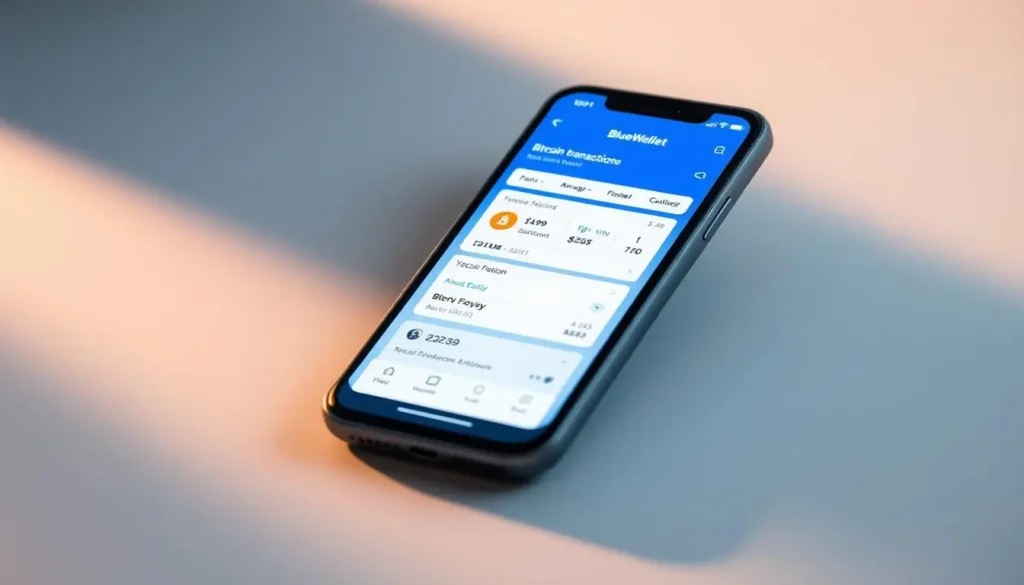
Managing your Bitcoin on the go requires a reliable and efficient solution. BlueWallet is a top choice for mobile users, offering a seamless experience for handling your transactions. Designed with simplicity in mind, it’s perfect for those who prioritize accessibility and functionality.
Key Features
BlueWallet supports Lightning Network integration, enabling faster and cheaper transactions. Its push notification system keeps you updated on your activity, ensuring you never miss important updates. The mobile app also includes multi-signature wallet setup and PSBT (Partially Signed Bitcoin Transactions) support, adding layers of flexibility and security.
For advanced users, BlueWallet offers iOS and Android feature parity, ensuring a consistent experience across devices. However, it’s worth noting that the app lacks educational resources, which might be a drawback for beginners.
Pros
- Lightning Network integration for efficient transactions.
- Push notifications keep you informed about your activity.
- Multi signature wallet setup enhances security.
- PSBT support adds flexibility for advanced users.
- iOS and Android feature parity ensures a consistent experience.
Cons
- No educational resources, which may challenge beginners.
- Technical barrier for non Bitcoin users.
- Limited functionality compared to multi chain wallets like Trust Wallet.
5. Trust Wallet: Best Mobile Crypto Wallet
For mobile users seeking a versatile and secure solution, Trust Wallet stands out as a top contender. This mobile app supports over 10 million digital assets, making it a powerful tool for managing diverse portfolios. Its integration with the Binance ecosystem adds another layer of convenience for users.
Key Features
Trust Wallet excels in multi chain management, allowing you to handle various tokens seamlessly. It supports NFT viewing for Ethereum and BNB Chain, making it ideal for digital collectors. The browser extension functionality enhances its usability, enabling you to interact with Web3 applications directly.
With an 85.24 CertiK Skynet Score, Trust Wallet prioritizes security. However, it lacks live support, which might be a drawback for some users. Despite this, its intuitive interface and robust features make it a favorite among mobile users.
Pros
- Supports over 10 million digital assets for diverse portfolios.
- NFT viewing for Ethereum and BNB Chain caters to collectors.
- Binance ecosystem integration simplifies transactions.
- Multi chain management interface enhances versatility.
- Browser extension functionality supports Web3 interactions.
Cons
- Limited gas fee customization options may frustrate advanced users.
- No live support, which could delay issue resolution.
- Interface may feel overwhelming for absolute beginners.
What to Look for in a Crypto Wallet
Selecting the right storage solution for your digital assets requires careful consideration. With countless choices out there, prioritize the functions that best match how you plan to use the wallet. Whether you’re prioritizing security measures, ease use, or supported cryptocurrencies, understanding these factors will help you make an informed decision.
Security Measures
When evaluating a wallet, security measures should be your top priority. Choose wallets that offer multi factor authentication to provide additional security. HD (hierarchical deterministic) wallets are a strong alternative because they create a fresh address for every transfer, improving privacy.
Transparency is also crucial. Wallets that undergo third-party audits, like those with CER security ratings, provide added assurance. Additionally, tools like Exodus’ 12-word recovery phrase ensure you can regain access to your crypto assets if needed.
Ease of Use
A wallet’s interface plays a significant role in its ease use. Beginners should look for intuitive designs that simplify navigation. Language and localization support can also make a difference, especially for non English speakers.
Features like in app swaps and seamless integration with exchanges enhance functionality. For example, MetaMask supports over 650,000 ERC-20 tokens, making it a versatile choice for managing diverse portfolios.
Supported Cryptocurrencies
How many and which coins a wallet supports is also an important consideration. Multi chain wallets, like Trust Wallet, allow you to manage various tokens in one place. This future proofs your investment, ensuring compatibility with emerging blockchains.
If you’re focused on specific assets, like Bitcoin, specialized wallets like Sparrow or BlueWallet may be more suitable. Always verify the wallet’s compatibility with your preferred crypto assets before committing.
| Feature | Details |
|---|---|
| Security | Multi-factor authentication, HD wallets, CER ratings |
| Ease of Use | Intuitive interface, language support, in-app swaps |
| Supported Cryptocurrencies | Multi-chain support, ERC-20 compatibility |
How to Get Started with Your First Crypto Wallet
Starting your journey with digital assets begins with choosing the right storage solution. A secure wallet ensures your funds are protected while giving you control over your transactions. Whether you’re new to blockchain or upgrading your setup, this guide will walk you through the essential steps.
Setting Up Your Wallet
The setup process is straightforward with tools like Zengo, which claims a 3-minute setup time. Start by installing the application only from a reliable, official provider. Complete the setup steps to open your account, and make sure to turn on protections such as fingerprint or face ID.
Getting Started with a Hardware Wallet
Setting up a hardware wallet such as Ledger typically begins by connecting the device to your computer or mobile system. These wallets are built with specialized security chips like Ledger’s CC EAL6+ certified element that are designed to keep your private keys isolated and protected from online threats. Before using any device, it’s essential to confirm that it was purchased from an official source to avoid counterfeit or tampered products.
Transferring Your First Crypto
After completing the setup, you’re ready to move your first digital funds. It’s wise to begin with a small test transfer to confirm that everything is functioning as expected. This approach reduces risk and gives you hands-on experience with the transaction process.
After completing the setup, you’re ready to move your first digital funds. It’s wise to begin with a small test transfer to confirm that everything is functioning as expected. This approach reduces risk and gives you hands on experience with the transaction process.
Transaction costs can vary depending on network congestion and timing. Many wallets include built in tools that estimate fees, helping you choose the most cost effective option. Always take a moment to carefully review the destination address crypto transactions cannot be reversed once sent.
Best Practices for Security
Maintaining strong security habits is key to protecting your assets. Enable additional safeguards such as multi factor authentication and approved address lists. These features limit unauthorized access and help defend against phishing or manipulation attempts.
Equally important is backing up your wallet. Safely record your recovery phrase and store it offline in a secure location. Using a hardware wallet alongside other protective measures significantly lowers the risk of digital theft.
| Step | Details |
|---|---|
| Setup | Download app, enable security features |
| Transfer | Test transactions, optimize fees |
| Security | Multi-factor authentication, recovery phrase backup |
The Future of Cryptocurrency Wallets
Cryptocurrency storage solutions are advancing at a rapid pace. As new technologies emerge, wallet designs are becoming more secure and more user friendly. Features like biometric verification and seamless interaction across multiple blockchains are reshaping how users manage their assets.
Emerging Trends in Wallet Technology
Near Field Communication (NFC) is becoming increasingly common in modern devices, allowing users to authorize transactions quickly without compromising security. Technologies such as multi party computation (MPC) are also gaining popularity, as they distribute key management across multiple components, reducing single points of failure.
Another major development is decentralized identity management, which allows users to maintain privacy while interacting with various blockchain services. Cross chain compatibility is also improving, making it easier to oversee assets spread across different networks from a single interface.
With the rise of quantum computing, wallet developers are exploring cryptographic methods designed to resist future threats. Some platforms are even introducing optional insurance coverage to provide added peace of mind for asset holders.
What Beginners Should Watch For
New users should prioritize wallets that are simple to navigate without sacrificing security. Features like fingerprint scanning or facial recognition can add an extra layer of protection while keeping access convenient.
Compliance with local regulations is another factor worth considering. Wallet providers that align with evolving legal frameworks are better positioned to protect users over the long term. It’s always a good idea to ensure that a wallet operates within the rules of your jurisdiction.
Educational support can also be a valuable asset. Wallets that offer tutorials, guides, or learning tools help users build confidence and make smarter decisions in the crypto space.
Conclusion: Selecting the Right Wallet
Choosing the right cryptocurrency wallet is a foundational step in managing digital assets effectively. The ideal option strikes a balance between security and usability. Hardware wallets are well suited for long term storage, while software wallets may better serve users who trade frequently.
Your personal habits and goals should guide your choice. Beginners often benefit from straightforward interfaces paired with strong protective features. Continuous learning is essential, as the crypto landscape evolves quickly.
Be wary of platforms that claim to offer every feature in one package, as they may fall short in critical areas. As your experience grows, you may want to transition to more advanced solutions that provide greater flexibility and control.
In the end, the best wallet is the one that aligns with your needs, risk tolerance, and long term objectives. Take your time, compare options carefully, and make an informed decision.